DIY versus professional when to hire a pro for wedding flowers
Posted on 04/10/2026
Choosing between DIY and hiring a professional for wedding flowers sounds simple at first. Then you start thinking about bouquets, buttonholes, table arrangements, delivery times, flower conditioning, and who is going to pin what onto whom five minutes before the ceremony. Suddenly, it's not so simple at all.
This guide on DIY versus professional when to hire a pro for wedding flowers will help you work out what is realistic, what is risky, and where a florist genuinely saves time, stress, and usually a fair bit of last-minute panic. Truth be told, some couples can absolutely handle parts of the floral plan themselves. Others will be much happier handing it over. The trick is knowing which camp you're in.
In the sections below, you'll find a practical comparison, a step-by-step decision process, common mistakes, and a realistic checklist you can use before you commit. We'll keep it grounded, useful, and free from the fluffy wedding-blog fog. Let's face it, nobody needs more fog on wedding week.
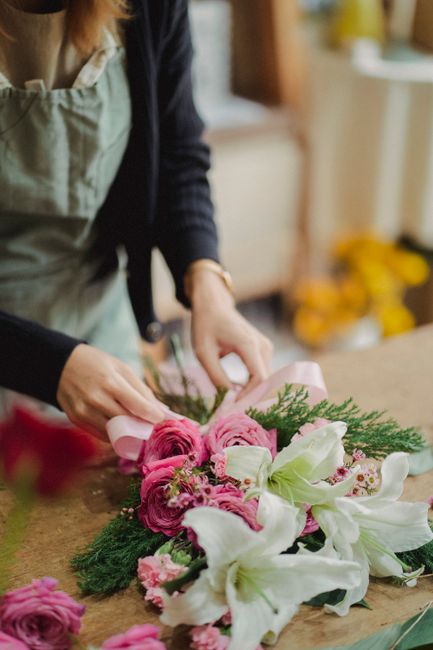
Why DIY versus professional when to hire a pro for wedding flowers Matters
Wedding flowers do more than decorate a room. They shape the mood, frame the photographs, signal the style of the day, and often end up in the hands of the people you care about most. A bouquet that feels right in the morning can look very different once it has travelled across town, sat in a warm car, or waited in a bridal suite with no water for an hour and a half.
That is why the decision between DIY and professional floristry matters so much. It is not only about cost. It is about timing, reliability, flower knowledge, labour, storage, transport, and calm. A hand-tied bouquet can be beautiful, but if it is too tight, too loose, or made from flowers that were not conditioned properly, it can droop before the speeches. Not ideal.
For smaller weddings or simple designs, DIY can be a smart way to save money and add a personal touch. For larger weddings, complicated installations, multiple venues, or flowers that must stay picture-perfect for many hours, a pro is often worth every penny. The real question is not "Can I make flowers?" but "Can I make flowers and still enjoy my wedding week?"
That last bit matters more than people expect. In our experience, couples often underestimate the hidden work: choosing stems, collecting them, trimming them, hydrating them, arranging them, keeping them cool, transporting them safely, and then setting them up quickly. It sounds like a nice pre-wedding project. Until the Friday traffic gets involved.
How DIY versus professional when to hire a pro for wedding flowers Works
The simplest way to think about wedding flowers is to break them into four jobs: design, sourcing, preparation, and installation. DIY couples often take on some or all of these jobs themselves. A professional florist usually covers all four, sometimes including venue visits, delivery windows, and on-the-day setup.
DIY wedding flowers
DIY usually means you source the flowers, buy your own tools and containers, condition the blooms, make the arrangements, and organise transport. You may also rely on friends or family to help. This can work well for:
- small weddings
- simple posies or bud vases
- limited colour palettes
- venues with straightforward access
- couples with time, patience, and a steady pair of hands
The hidden challenge is consistency. A single bouquet is one thing. Producing six bouquets, two buttonholes, eight centrepieces, and a ceremony arrangement that all match in style and quality is another thing entirely.
Professional wedding floristry
A professional florist takes a brief, creates a floral plan, sources the flowers, prepares them correctly, and delivers or installs them. Depending on the service, they may also manage breakdown and collection after the event. Professional work is especially useful when you need a cohesive design across multiple items, such as bridal bouquets, bridesmaid bouquets, buttonholes, corsages, table arrangements, and larger statement pieces.
If you want a starting point for what a florist-led wedding range can look like, it can help to browse a dedicated collection such as wedding flowers or specific pieces like bridal bouquets, bridesmaid bouquets, and buttonholes. Even if you do not order online, looking at structured ranges can clarify what style and scale you actually need.
There is also a practical difference in how professionals approach flowers. They think in terms of stem strength, vase life, colour balance, focal flowers, filler, seasonality, and how designs will behave on the day. That sounds technical because, well, it is. But it is also the reason a professional arrangement tends to survive a long wedding day a bit better than a lovely-but-hopeful DIY version.
Key Benefits and Practical Advantages
There are real advantages on both sides. The best choice is the one that fits your budget, your time, and your tolerance for chaos.
| Approach | Main strengths | Typical drawbacks |
|---|---|---|
| DIY flowers | Lower upfront spend, personal involvement, flexible creative control | Time-heavy, higher stress, inconsistent results, transport risk |
| Professional florist | Expert design, reliability, setup support, polished finish, less stress | Higher cost, less hands-on control, less room for last-minute experimentation |
DIY benefits: You can save on labour, choose your own stems, and enjoy the satisfaction of making something with your own hands. For some couples, that personal involvement is genuinely meaningful. A few friends, a kitchen table, music in the background, and a couple of buckets of blooms can be a lovely pre-wedding memory. Provided no one starts reorganising the bouquet halfway through.
Professional benefits: You get expertise, better consistency, and less pressure on the day. A good florist knows how to manage flower conditioning, colour matching, stem support, venue timing, and backup plans if a variety arrives short or looks weaker than expected. That flexibility is worth a lot when the weather is warm or the schedule is tight.
Another practical benefit of hiring a pro is design coherence. Wedding flowers work best when the bouquet, ceremony pieces, reception tables, and small wearable items all feel like they belong to the same story. A professional can build that story without every piece looking identical. Subtlety matters.
If your wedding uses a mix of key items such as table arrangements and corsages, a florist can usually coordinate everything more cleanly than a piecemeal DIY approach. That is especially true if you want the flowers to photograph well in both daylight and artificial evening light.
Who This Is For and When It Makes Sense
DIY wedding flowers make sense when your event is modest, your style is simple, and you genuinely have the time and support to do the work. A bride or couple who enjoys arranging flowers, has access to a cool prep space, and only needs a few arrangements may find DIY perfectly manageable.
Professional flowers make more sense when any of the following apply:
- you have a large guest list
- your venue has multiple rooms or locations
- you want fresh flowers to last all day and into the evening
- you are planning a complex colour palette or statement look
- you have limited time in the final week before the wedding
- the setup needs to happen early, quickly, or in stages
- you want the florist to handle delivery and installation
To be fair, some couples are simply not in a position to DIY. If you are balancing work, family, travel, and a dozen other wedding tasks, adding a floral production line to the week before the ceremony can be too much. And there is no prize for doing everything the hard way.
It can also depend on the type of flowers involved. Romantic hand-tied bouquets are one thing. Larger arrangements, floral arches, hanging displays, or intricate table designs are a different beast entirely. If the design is structural, tall, or weight-bearing, hiring a professional is usually the safer call.
For couples in and around Tadworth and KT20, local availability and delivery timing can matter too. A nearby florist familiar with straightforward wedding delivery logistics can remove a lot of guesswork. If you are exploring local options, wedding flowers in Tadworth KT20 is a useful place to start.
Step-by-Step Guidance
If you are still undecided, use this process. It is simple, but it does the job.
- List every floral item you need. Include bouquet(s), buttonholes, corsages, centrepieces, ceremony flowers, aisle details, and any extras. People often forget small items, then wonder why the budget feels strange. That happens a lot.
- Decide what must be perfect. Your bouquet? The top table? The ceremony arch? Mark the pieces that matter most emotionally and visually. Those are usually the items worth hiring out.
- Estimate your true time. Not just the arranging time, but sourcing, prepping, watering, transport, setup, and tidying. If you have never done it before, be generous with the estimate.
- Check your venue rules and timings. Some venues allow early access; others do not. If you have a tight setup window, DIY gets harder fast.
- Compare your flower knowledge honestly. Do you know how long your chosen blooms last out of water? Can you condition hydrangeas, roses, or lilies properly? If not, there is a learning curve.
- Separate essential from nice-to-have. Maybe the ceremony florals should be professional, while the welcome table or guest book area can be DIY. Hybrid plans are often the sweet spot.
- Get quotes and compare. Not just the price, but what the florist actually includes: design, delivery, setup, collection, vase hire, and replacement contingencies.
- Make a final call based on stress, not pride. Pride is expensive. Calm is underrated.
A good rule of thumb: if you can confidently imagine yourself making every item without rushing, and you have one or two dependable helpers, DIY can work. If that image already feels a bit wobbly, a professional will probably make the day easier.
Expert Tips for Better Results
Here is where experience really helps. Small decisions can make a big difference to how wedding flowers look and hold up.
Start with the venue, not the vase
Before choosing flowers, work out where they will live. Is the ceremony indoors or outside? Is there shade? Will the reception room be warm by late afternoon? A florist always thinks about environment first, because flowers are living materials and they react quickly to heat and timing.
Keep the palette narrow
If you are DIYing, fewer colours usually means better results. A restrained palette feels polished and is easier to match across bouquets and tables. Two or three tones is often plenty. More than that, and the whole thing can start to feel accidental rather than designed.
Use sturdy flowers when you can
Some flowers are naturally more forgiving. Others are delicate, thirsty, and a little dramatic. Sturdy stems are often a better choice for beginners, especially if there is travel involved. Your florist can guide you here, but the broader idea is simple: choose flowers that suit the job, not just the look.
Leave buffer time
Whether you DIY or hire a pro, do not run your flower plan right up to the edge. Flowers need conditioning time. People need tea. Cars get stuck. A bit of slack in the schedule can save the entire morning.
Think about the photos
Flowers that look lovely in person do not always read the same way on camera. Strong shapes, fresh petals, and good contrast matter. If you have seen wedding photos where the bouquet disappears into the dress or the centrepieces vanish into the table linen, you will know what I mean.
If you are still exploring styles, browsing a florist's wider selection can help you spot what "finished" looks like. Collections like white bridal bouquet ideas, classic bridal bouquet styles, or elegant centrepiece designs can give you a better sense of scale than a mood board alone.
Common Mistakes to Avoid
Most flower disasters are not dramatic. They are small planning errors that snowball. The good news is that they are avoidable.
- Underestimating labour. Flowers are only cheap if your time is free. If you spend two days arranging and transporting them, the picture changes fast.
- Buying too close to the day. Freshness matters, but so does conditioning time. A balance is needed.
- Ignoring transport. Arrangements need support, space, and sensible storage. A bouquet rolling around in a boot is not a strategy.
- Choosing delicate flowers without a plan. Some flowers are beautiful but not beginner-friendly.
- Forgetting the small items. Buttonholes, corsages, and table pieces are easy to miss in the excitement.
- Not assigning helpers. One person cannot be in the kitchen, the car park, and the ceremony room at once. Sadly.
- Leaving setup until the last minute. That is when little problems become big ones.
One subtle mistake is trying to make every arrangement too elaborate. Simpler work often looks better and lasts longer. A neat bouquet with strong colour balance can be more impressive than a crowded arrangement trying to do too much. Less can be more, annoyingly enough.
Another common issue is mismatch. DIY couples sometimes buy flowers one at a time from different places, then discover the whites do not match, or the pinks vary more than expected. Professional florists avoid this by planning stock, stem quality, and colour tone together.
Tools, Resources and Recommendations
You do not need a florist workshop at home, but a few practical tools make DIY much easier.
- Clean buckets or deep containers for hydrating stems
- Sharp floral scissors or snips to avoid crushing stems
- Flower food if supplied or recommended by your florist
- Paper towels and clean cloths for quick clean-ups
- Ribbon, pins, and tape for finishing bouquets and buttonholes
- Boxes or trays for safe transport
- A cool, shaded prep area away from direct sun and radiators
On the planning side, a simple spreadsheet can help you track quantities, suppliers, setup times, and who is responsible for each item. Old-fashioned? Maybe. Effective? Absolutely.
If you are not sure where to start, it can be helpful to compare practical product ranges such as table designs, corsages, and buttonholes to understand the typical elements in a wedding flower plan. That often clarifies whether you are looking at a simple DIY project or a more involved professional brief.
For broader context, a florist's own service pages, guarantees, and care guidance can also be useful. They show how the business handles orders, delivery expectations, and product care. For example, the site's flower care guidance and delivery information can help you think more realistically about freshness and timing.
Law, Compliance, Standards, or Best Practice
Wedding flowers are not heavily regulated in the way some trades are, but there are still sensible standards and practical duties to keep in mind. If you are hiring a florist, make sure you understand what is included, what happens if flowers are unavailable, and what the delivery window looks like. A clear written agreement helps avoid awkward surprises. Not glamorous, but necessary.
For DIY couples, the main best-practice issues are safety and venue compliance. If you are using candles, wires, stands, or tall structures, check the venue's rules in advance. Some venues have restrictions around open flames, fixing items to walls, or the use of certain adhesives. Others need risk-aware setup because of foot traffic, children, or uneven floors. The exact rules vary, so always check with the venue rather than assuming.
Food-adjacent areas also deserve care. Keep flower prep away from catering spaces unless the venue has arranged it properly. Use clean tools and containers. If someone in your party has a strong pollen sensitivity, it is sensible to discuss flower choices early, especially for bouquets carried close to the face or table arrangements near seating.
Professional florists usually work with general industry expectations around freshness, handling, and presentation. That does not mean every florist works the same way, of course. But you should expect flowers to be conditioned, protected in transit, and delivered within the agreed window. If a florist offers collection or installation, that should be documented too.
Also, if you are in the UK, check practical matters like payment terms, cancellation policy, and returns expectations. Wedding flowers are perishable, so standard retail assumptions may not apply in the same way as with other purchases. Reading the business terms is not the fun bit. Still, better now than at 11pm the night before the wedding.
Options, Methods, or Comparison Table
There are really three routes: full DIY, full professional, and a hybrid approach. Hybrid is often the most sensible, though not always the most obvious.
| Option | Best for | Watch out for |
|---|---|---|
| Full DIY | Small weddings, simple styling, confident organisers | Time pressure, transport issues, inconsistent quality |
| Full professional | Larger weddings, premium styling, high-stakes events | Higher budget, less direct hands-on involvement |
| Hybrid | Couples who want to save on some items but not all | Needs clear division of responsibility |
Full DIY is best when you want control and are comfortable doing the work. Full professional is best when flowers are central to the aesthetic or when time is scarce. Hybrid often means hiring a florist for the important pieces - the bridal bouquet, buttonholes, ceremony flowers - while keeping less critical items like simple guest tables or a gift table more modest.
That hybrid route can be very smart. A beautifully made bridal bouquet and properly finished buttonholes can elevate the whole day, while a few simple jam-jars or bud vases keep costs sensible. You do not need to professionalise every square inch of the room.
Case Study or Real-World Example
Here is a realistic example from the kind of wedding planning conversation that happens all the time.
A couple planning a late-summer ceremony wanted soft white and blush flowers. They initially planned to DIY everything because they loved the idea of making the arrangements themselves. The list grew quickly: one bridal bouquet, three bridesmaid bouquets, six buttonholes, two ceremony arrangements, twelve table centres, and a few extras for the registry table and bar area.
Once they mapped out the work, the picture changed. The bridal bouquet and buttonholes were the emotional centrepieces, so they hired a professional for those. They also asked the florist to handle the ceremony arrangement because it needed to move from the aisle to the reception entrance later in the day. For the tables, they kept things simple with small DIY bud vases that matched the main palette.
What worked well? The professional pieces gave the day a polished core, and the DIY elements added personality without overwhelming the schedule. What nearly went wrong? The couple nearly forgot that the flowers would need to be collected, stored, and arranged before guests arrived. Once that was written into the plan, the stress dropped a lot.
This kind of split approach is often the sweet spot. It respects the budget without pretending that every floral task carries the same level of risk. A wedding bouquet is not just another bunch of flowers. It has to survive, look beautiful, and often appear in half the photos. No pressure, then.
Practical Checklist
Use this checklist before deciding whether to DIY or hire a professional.
- Have I listed every floral item needed for the wedding?
- Do I know exactly which items matter most visually and emotionally?
- Do I have enough time in the final 48 hours to prepare flowers properly?
- Do I have a cool, clean space for conditioning and staging?
- Do I know how the flowers will be transported safely?
- Have I checked venue access times and any floral restrictions?
- Do I have at least one reliable helper?
- Am I confident in the flower varieties I want to use?
- Have I compared the real cost of DIY, including tools and time?
- Do I want peace of mind more than hands-on involvement?
Expert summary: If your floral plan is simple, your time is generous, and you enjoy hands-on detail, DIY can be a lovely choice. If the flowers need to perform under pressure, or if your schedule is already full, hiring a pro is usually the safer and calmer route. A good wedding flower plan should support your day, not swallow it whole.
Conclusion
The real answer to DIY versus professional when to hire a pro for wedding flowers is usually less about what you can do and more about what you want the day to feel like. If making flowers is part of the joy, and the scale is manageable, DIY can be genuinely rewarding. If you want consistency, polish, and less pressure, a florist is a very sensible investment.
In practice, many couples end up with a hybrid plan. That is not indecision. It is wisdom. You can save money where it makes sense and still protect the parts of the day that matter most. Bridal bouquet, buttonholes, ceremony pieces, key table arrangements - those are often the best candidates for professional help.
If you are still weighing it up, start by choosing the items that would cause the most stress if they went wrong. Hire support there first. Everything else becomes easier after that.
Get a free quote today and see how much you can save.
And if you do decide to DIY some of it, give yourself grace. Weddings are meant to feel alive, not over-produced. A few hand-tied blooms, done with care, can be more than enough.
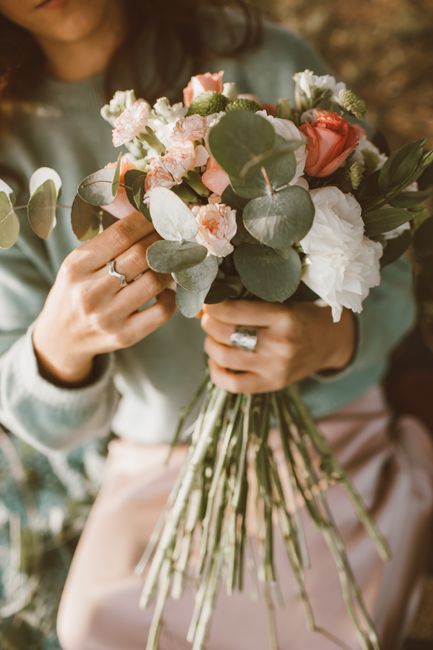
Frequently Asked Questions
Is DIY wedding floristry actually worth it?
It can be, yes, if your wedding is small, your flower design is simple, and you have time to prepare properly. DIY is most worthwhile when the savings are meaningful and you genuinely enjoy the process. If it is likely to become a rushed weekend project, the value drops quickly.
When should I definitely hire a professional florist?
Hire a professional when the flowers are complex, the venue setup is tight, the event is large, or the arrangements need to look flawless for many hours. A florist is also the better choice when you want delivery, setup, and a clear backup plan.
Can I mix DIY and professional flowers for my wedding?
Absolutely. In fact, hybrid plans often work best. Many couples hire a florist for the bridal bouquet, buttonholes, and ceremony flowers, then DIY simple table arrangements or decorative extras. It is a sensible middle ground.
What wedding flowers are easiest to DIY?
Simple hand-tied bouquets, bud vases, and small table arrangements are usually the easiest. They are less structural and more forgiving than tall displays, arches, or large focal installations.
What wedding flowers are hardest to DIY?
Large installations, hanging flowers, cascading arrangements, and designs that need exact symmetry are much harder. Anything that requires secure structure, careful balancing, or quick venue installation is usually better left to a professional.
How far in advance should wedding flowers be arranged?
That depends on the flowers and the service. A florist will usually plan well in advance and prepare close to the date, while DIY flowers often need ordering, conditioning, and arranging in the final day or two. Freshness and timing both matter.
Will professional flowers look much better than DIY?
Not always, but they are more likely to be consistent and well-proportioned. A thoughtful DIY arrangement can look lovely, especially if the style is simple. Professionals tend to add reliability, polish, and better handling under pressure.
How do I know if my budget should go to flowers or something else?
Ask what will have the biggest visual and emotional impact. For some weddings, flowers are central to the whole mood. For others, a smaller floral plan makes more sense and the budget is better spent elsewhere. It depends on your priorities, not a rulebook.
Do professional florists handle delivery and setup?
Many do, but not all in the same way. Always check exactly what is included. Some provide full delivery and installation, while others may only deliver to one location. Clarify the timing, access requirements, and whether collection is included too.
What should I ask a florist before booking?
Ask what is included in the quote, how substitutions are handled, whether setup is included, what happens if a flower is unavailable, and how delivery works on the day. A clear conversation now saves a lot of awkwardness later.
Is there a safe way to transport DIY wedding flowers?
Yes. Use sturdy boxes or buckets, keep arrangements upright, avoid overheating, and give yourself more time than you think you need. Transport is one of the biggest DIY risk points, so plan it carefully and do a test run if possible.
Are there any venue rules I should check before DIYing flowers?
Yes. Check access times, restrictions on open flames, rules about attaching items to walls or furniture, and any guidance on loose petals or floral installations. Different venues have different expectations, so it is always best to ask directly.
Can a florist help if I only need a few items?
Definitely. You do not need a huge order to make professional help worthwhile. Even if you only want a bridal bouquet and a few buttonholes, a florist can still save time and make the key pieces feel beautifully finished.