Quick insider tips to revive wilted flowers for same day gifts
Posted on 26/09/2026
Nothing tests your nerves quite like realising a bouquet has drooped just before you need it. The good news? With a few quick insider tips to revive wilted flowers for same day gifts, you can often turn a tired-looking bunch into something that feels fresh, thoughtful, and ready to hand over with confidence. Sometimes you do not need a miracle; you just need the right sequence, a clean vase, and ten calm minutes. That is honestly half the battle.
Whether the flowers were in transit, left too long out of water, or just had a rough morning, this guide shows you the fastest practical fixes, what actually works, and what to avoid so you do not make the problem worse. We will keep it simple, but not simplistic. Because let's face it, when the gift has to look good today, you do not want vague advice.
Why Quick Insider Tips to Revive Wilted Flowers for Same Day Gifts Matters
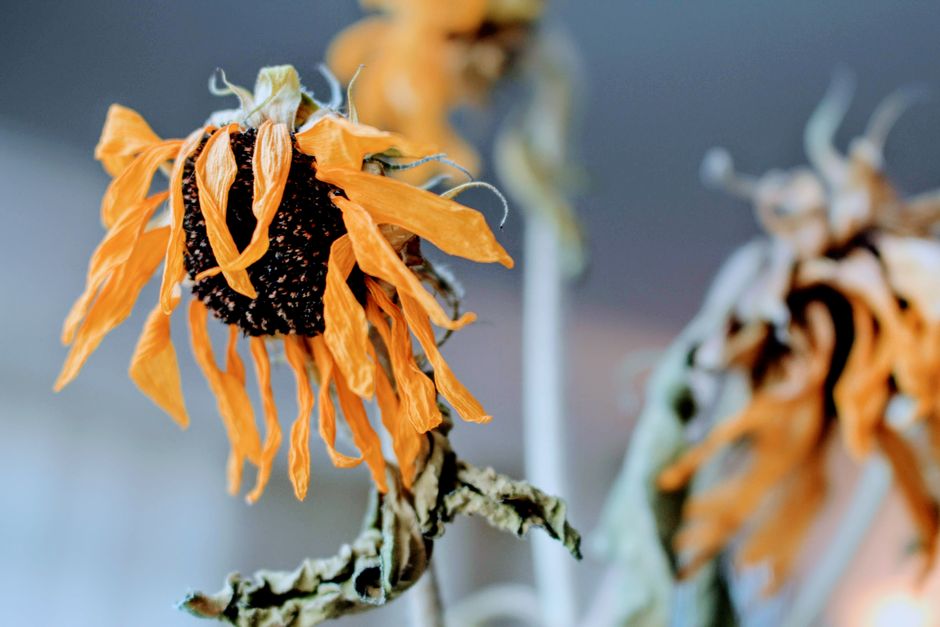
Wilted flowers do not just look sad. They change the feeling of the whole gift. A bouquet that droops in the first five seconds can make a generous gesture seem rushed, even if the intention was lovely. That is why quick revival matters so much for same day gifting: it protects the moment. The handover. The smile. The little pause when the recipient says, "Oh, these are beautiful."
In practical terms, same day gifts leave very little room for error. You may be working with flowers bought earlier in the day, blooms that have sat in a warm car, or a bunch that looked fine at the shop but tired by the time you got home. Flowers are living material, and they react quickly to heat, dehydration, air exposure, and crushed stems. If you understand the basics, you can often recover a surprising amount of freshness fast.
There is also a cost angle. If you have already paid for a bouquet, you do not want to throw away half the value because the flowers looked flat at the last minute. A few sensible rescue steps can save money and avoid a last-minute replacement. If you are shopping locally, choosing a reliable option such as same day flower delivery in Tadworth KT20 can reduce the risk in the first place, but even then it helps to know how to revive blooms quickly when needed.
And there is a social side too. Gifts are emotional. A fresh-looking bouquet feels considerate, polished, and a little more special. A wilted one can feel apologetic, even if it was not meant that way. So yes, this is about flowers. But also, a bit about timing, presentation, and not arriving with a bouquet that looks like it has had a long week.
How Quick Insider Tips to Revive Wilted Flowers for Same Day Gifts Works
The basic idea is simple: most wilted flowers need water, clean stems, cooler conditions, and less stress. When flowers droop, it is usually because they are struggling to take up enough moisture. Sometimes the stem ends have sealed over. Sometimes bacteria are blocking the water flow. Sometimes the room is too warm. Occasionally, it is a mix of all three. Classic floral drama.
When you revive flowers, you are trying to restore capillary action, which is the way water moves up through the stem into the bloom. Fresh cuts help because they reopen the stem's water channels. Clean containers matter because bacteria shorten vase life. Good temperature matters because heat speeds up dehydration. And, in some cases, a quick support technique like wrapping stems while they hydrate can help blooms stand taller again.
The important thing is to act in the right order. If you just sprinkle water on the petals, nothing much happens. If you shove tired flowers into a warm vase with cloudy water, the problem may get worse. But if you trim, clean, hydrate, and then finish with careful presentation, you can improve the bouquet dramatically within the same day.
For buyers who want a stronger starting point, browsing curated options like a florist in Tadworth KT20 or a broader selection such as flower delivery in Tadworth KT20 can help you choose flowers that are already more likely to hold up well. But even sturdy blooms sometimes need a rescue. That is normal.
Key Benefits and Practical Advantages
The obvious benefit is appearance. A recovered bouquet simply looks better. But there are a few other advantages that people often overlook.
- Better first impression: Flowers that stand upright and look hydrated feel more luxurious and thoughtful.
- Longer usable life: A quick rescue can buy you extra hours, sometimes days, which matters if the gift is being given later in the day.
- Less waste: You may be able to save most of the bouquet rather than replacing it.
- More control over presentation: Once the flowers perk up, you can arrange them for a vase, wrap, or hand-tied gift more neatly.
- Lower stress: Knowing what to do makes a last-minute panic feel manageable. That alone is worth something.
There is also a practical gifting benefit. If you are sending flowers to a dinner table, office, hospital visit, or home visit, they need to look presentable immediately, not "give them an hour and they'll sort themselves out." Same day gifts do not come with a warm-up period. They need to be ready now, or very nearly so.
If you are weighing value, options like best flower delivery Tadworth KT20 and flower shops in Tadworth KT20 can help you find arrangements with better freshness standards from the start. Still, it is the rescue know-how that gives you confidence when the clock is ticking.
Who This Is For and When It Makes Sense
This is for anyone who needs flowers to look presentable today, not tomorrow. The most common situations are more ordinary than you might think.
- You bought flowers earlier and forgot they needed immediate attention.
- A delivery arrived slightly tired and you need to gift it the same day.
- You are preparing a bouquet for a birthday, apology, thank-you, or visit.
- You have a vase arrangement that has started to sag by late afternoon.
- You are a last-minute organiser who still wants the gift to look considered. Happens to the best of us.
This advice is especially useful if the flowers are for a time-sensitive occasion such as a birthday tea, a hospital drop-off, or a dinner invitation where you want to arrive with something polished. It can also help in more emotional situations, such as sympathy or get-well flowers, where the look of care really matters. For those moments, people often want the arrangement to feel calm and dignified rather than visibly tired.
Same day revival makes sense when the blooms are still fundamentally sound: stems are firm enough to cut, petals are not badly damaged, and there is no major rot or mould. If the flowers are fully dried out or badly crushed, be honest with yourself. A rescue can only do so much. Sometimes the better option is to replace the bouquet with a fresher one from a trusted source such as send flowers Tadworth KT20 or a practical next day flower delivery Tadworth KT20 option if the timing allows.
Step-by-Step Guidance
If you only read one section, make it this one. It is the quickest route from floppy to gift-worthy. Keep the steps calm and deliberate. No frantic splashing, no guessing. Just simple moves in the right order.
1. Remove packaging as soon as you can
Take off paper, cellophane, rubber bands, and any tight string around the stems. Flowers need breathing room. If the bouquet has been tightly wrapped, the outer blooms may be bent or bruised. Let the stems relax for a minute before you do anything else.
2. Check the stems and trim them cleanly
Use sharp, clean scissors or a floral knife and cut 2 to 3 cm off the bottom of each stem at a slight angle. This creates a fresh surface for water uptake. A clean cut is better than a rough crush. If the stems are woody or especially thick, you may need a slightly firmer cut. Do not hack at them. That way lies disappointment.
3. Strip off any leaves below the waterline
Leaves sitting in water encourage bacteria, which shortens the life of the bouquet and makes revival harder. Remove any foliage that would sit inside the vase. You want the water to stay as clear as possible for as long as possible.
4. Use a very clean vase
Wash the vase with hot, soapy water and rinse well. A vase that looked fine yesterday can still carry bacteria today. If the bouquet is for a same day gift, this detail matters more than people think. Clean vessels support clean water, and clean water supports the stems.
5. Fill with fresh, lukewarm water
For many cut flowers, lukewarm water is easier for the stems to absorb than very cold water straight from the tap. Fill the vase enough to submerge the cut ends without drowning the whole bouquet. If you have flower food, use it according to the packet directions. If not, plain clean water is still better than dirty water. Much better.
6. Give the flowers a short hydration rest
Set the vase somewhere cool and out of direct sun for 20 to 60 minutes. If the stems are especially limp, leave them longer. Some flowers perk up quickly; others need a bit of patience. You will notice the change in the stems before the flowers fully recover.
7. Support especially weak stems
If a bouquet is badly drooping, wrap the stems loosely in paper while they drink water. This can help train them upright as they rehydrate. A bit like giving them a small standing frame. Not elegant, perhaps, but effective.
8. Re-cut if needed and refresh the water
If the flowers still look thirsty after an hour or two, re-cut the stems and refresh the vase water. Sometimes the first cut is not enough, especially if the ends were badly dried out. Fresh water is not a luxury here; it is essential.
9. Finish the presentation
Once the blooms begin to recover, remove any damaged outer petals, straighten the arrangement, and place it in a gift bag, wrap, or vase that suits the occasion. A simple hand-tied bunch can look much more intentional after a little tidy-up. Truth be told, presentation is half the revive job.
Expert Tips for Better Results
There are quick fixes, and then there are the little habits that make those fixes work better. This is where the insider part comes in.
- Work fast, but not rough: Flowers hate being shuffled about too much once they are stressed.
- Keep them cool: Even a few degrees cooler can slow wilting while they recover. Avoid sunny windowsills and hot car boots.
- Use the right vase height: A tall arrangement benefits from support, while a short vase can make heavy blooms slump over the rim.
- Mind the variety: Some flowers, such as lilies, chrysanthemums, alstroemeria, and carnations, often respond well to a hydration reset. More delicate blooms may need gentler handling.
- Remove tired outer petals: A single limp outer layer can make the whole bouquet look worse than it is.
One thing experienced florists do well is they do not panic when a bouquet looks a bit off. They assess the stems, the water quality, and the room temperature first. Then they make small corrections. That calm approach works better than trying five random tricks at once. Flowers, for all their beauty, are not fans of chaos.
If you often need reliable arrangements for gifting, it is worth looking at options like florist choice or best sellers, because these are often selected for broad appeal and practical staying power. And if you want a softer, more gift-ready finish, bouquets like flowers in a vase can be easier to present quickly without much fuss.
Expert summary: the fastest rescue is usually a clean cut, clean vase, fresh water, cool placement, and a little patience. Everything else is secondary.
Common Mistakes to Avoid
Here is where good intentions can backfire. A lot of flower rescue mistakes come from trying too hard, too fast.
- Leaving flowers in clingy packaging: They need room to breathe and take in water.
- Using a dirty vase: Cloudy water and slime are not your friends.
- Cutting stems with blunt scissors: This crushes the stem and can block water uptake.
- Adding too much "home remedy" mix: More sugar or vinegar is not automatically better. In fact, it can make things worse if overdone.
- Putting blooms near fruit: Ripening fruit gives off ethylene gas, which can speed up ageing in some flowers.
- Using boiling water unless you know the flower type: Heat treatments are very specific and not a universal fix.
- Expecting instant perfection: Some flowers revive within minutes; others need time. Not every bouquet snaps back like it owes you money.
A useful rule of thumb: if a step sounds dramatic, double-check it before you do it. Gentle, clean, and consistent almost always beats aggressive "hack" behaviour. The flowers are trying their best, really.
Tools, Resources and Recommendations
You do not need much, which is fortunate. The right basics are enough for most same day rescues.
| Tool or item | Why it helps | Best use |
|---|---|---|
| Sharp scissors or floral snips | Makes clean stem cuts | First step in any revival |
| Clean vase | Reduces bacteria | Hydrating and displaying the flowers |
| Fresh lukewarm water | Helps stems absorb moisture | Immediate rehydration |
| Flower food | Supports hydration and vase life | Best when used as directed |
| Paper for stem support | Helps droopy stems stand while they recover | Very limp bouquets |
| Cool room space | Slows further wilting | Short recovery window before gifting |
If you are ordering flowers and want a better starting point, consider browsing practical ranges like all flowers, any occasion, or focused gift lines such as birthday and thank you. Those pages can help you choose something suitable without overcomplicating the order. For a more general sense of service quality, the site's guarantees and flower care guidance are worth a look too.
And if your gift is part of a bigger event or a workplace gesture, you may find the corporate accounts page useful for repeat ordering. Not glamorous, but practical. Sometimes that matters more than fancy ribbon.
Law, Compliance, Standards, or Best Practice
For flower revival itself, there is no special legal compliance issue for a customer at home. Still, best practice matters, especially if you are buying from or gifting through a florist in the UK. Clear product descriptions, honest delivery expectations, and sensible care advice all contribute to trust. If you are sending flowers for a sensitive occasion, accurate presentation is especially important. A bouquet should look as fresh and appropriate as the description suggests.
If you are using a florist professionally or ordering online, pay attention to the stated delivery terms, refund policy, privacy handling, and care guidance. These are not just formalities. They tell you what to expect if a delivery arrives late, the stems are damaged, or the bouquet needs support. For a Tadworth-based customer, it is reassuring to see clear information on delivery, returns and refund, terms and conditions, and privacy policy.
There is also a broader best practice point: be truthful about the condition of the flowers if you are giving them as a gift. A quick rescue is fine. Pretending a very tired bouquet is freshly cut when it obviously is not can feel a bit off. People notice these things. They really do.
Options, Methods, or Comparison Table
Different rescue methods suit different levels of wilting. Here is a simple way to think about it.
| Method | Best for | Speed | Risk level |
|---|---|---|---|
| Fresh cut + clean vase + cool water | Most slightly wilted bouquets | Fast | Low |
| Stem support with paper wrap | Very droopy stems needing structure | Medium | Low |
| Re-cut and rehydrate after a rest | Flowers that have not perked up yet | Medium | Low |
| Heat or special treatment techniques | Very specific flower types only | Variable | Medium to high |
| Replace with a fresh bouquet | Severely damaged or dry flowers | Immediate if available | Very low |
For same day gifting, the safest route is usually the first method. It is dependable, low-risk, and easy to do quickly. If the bouquet is beyond rescue, replacement may be the smartest call. No shame in that. A fresh arrangement from same day delivery options can save the day far more elegantly than wrestling a wilted bunch for an hour.
Case Study or Real-World Example
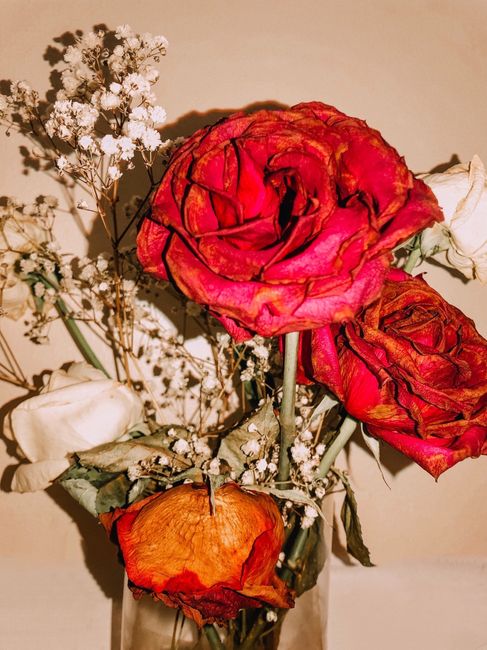
Picture a late Friday afternoon in Tadworth. You have a dinner invitation at 7 p.m., and the flowers you picked up earlier are now leaning in the bag like they have given up on the week. The petals are not ruined, but the stems are soft, and one rose is looking especially dramatic. You need them to look good fast.
In a situation like that, the practical fix is straightforward. Remove the wrap, trim the stems, place the bouquet in a clean vase with fresh lukewarm water, and keep it in a cool hallway rather than the kitchen, where ovens and kettles keep raising the temperature. After twenty to thirty minutes, you may already see the stems lift slightly. Another half hour gives the bouquet a better chance to settle before you head out.
What changes the result is not one magical move, but the sequence. In real life, the flowers often go from "oh no" to "actually, that's lovely" because the basics are handled well. It is a quiet win. Nothing dramatic. Just effective.
That same approach works for birthdays, thank-you gifts, or apology flowers when you want the message to land properly. If you are looking for something specific and polished next time, pages like birthday flowers Tadworth KT20 or cheap flowers can help balance budget and presentation without rushing the finish.
Practical Checklist
Use this quick checklist before gifting the bouquet. It is short, but it covers the details that matter most.
- Remove packaging and ties that are squeezing the stems.
- Trim 2 to 3 cm from each stem at an angle.
- Strip leaves that would sit below the waterline.
- Wash the vase thoroughly and rinse well.
- Use fresh lukewarm water, plus flower food if available.
- Keep the bouquet out of direct sun and away from radiators.
- Allow a short hydration rest before transport.
- Support weak stems with paper if needed.
- Refresh water if it turns cloudy.
- Check the arrangement before handover and remove any visibly damaged petals.
Quick takeaway: clean cut, clean vase, fresh water, cool space. Do those four well and you have already solved most same day flower problems.
Conclusion
Reviving wilted flowers for same day gifts does not need to be complicated. In most cases, the fastest fix is also the best one: recut the stems, remove the clutter, use a clean vase, hydrate properly, and keep the bouquet cool while it recovers. That simple rhythm can transform a tired-looking bunch into a gift that feels thoughtful and ready.
If you are ordering flowers often, it also helps to start with a strong base: dependable delivery, clear care guidance, and arrangements suited to the occasion. That way, you are not constantly fighting the clock. But when you are in a pinch, now you know what to do. Calm hands. Fresh water. Small steps. It usually works better than panic, oddly enough.
Get a free quote today and see how much you can save.
And if the bouquet ends up looking wonderful after all, enjoy that little victory. It is one of those tiny everyday wins that makes a difference.

Frequently Asked Questions
How quickly can wilted flowers perk up again?
Some flowers begin to improve within 20 to 60 minutes once they are trimmed and placed in fresh water. Others need a couple of hours. The type of flower, how dry the stems are, and the room temperature all play a part.
What is the fastest way to revive flowers for a same day gift?
The fastest reliable method is to remove packaging, recut the stems, place the bouquet in a clean vase with fresh lukewarm water, and keep it cool. That sequence solves the most common causes of wilting without relying on risky tricks.
Can I save flowers that have been out of water for a while?
Often, yes, if the stems and petals are still in reasonable condition. Recutting the stems is especially important because dried ends can block water uptake. If the flowers are very dry or brittle, the chances drop quite a bit.
Should I use cold or warm water for wilted flowers?
Lukewarm water is usually a sensible starting point for most cut flowers because it can be absorbed more easily than very cold water. Very hot water is not a general fix and can damage blooms if used carelessly.
Do flower food packets really help?
Yes, when used properly. Flower food supports hydration and can help keep water cleaner for longer. It is not essential for a short rescue, but it is useful if you want the bouquet to stay presentable through the same day and beyond.
Why do flowers wilt so fast after delivery?
Common reasons include heat, a lack of water, crushed stems, long transport times, and bacteria in the vase or wrap. Sometimes it is simply a delicate flower reacting to a warm room or a bumpy journey. Flowers are a bit fussy, to be fair.
Can I put wilted flowers in the fridge?
A cool space can help slow further wilting, but a fridge is only suitable if there is enough space and the flowers are kept away from fruit and food odours. Not every bouquet needs refrigeration, and some arrangements may be damaged by cold or condensation.
What flowers revive best after wilting?
Many people find that sturdier flowers such as carnations, chrysanthemums, alstroemeria, and some roses respond well to a clean cut and fresh water. Very delicate blooms may improve less dramatically, but they still benefit from careful handling.
How do I make the bouquet look nicer after reviving it?
Remove damaged outer petals, tidy the stem length, rotate the arrangement for balance, and use a vase that supports the shape of the flowers. Presentation matters a lot, especially if the gift is being handed over in person.
Is it better to revive wilted flowers or replace them?
If the bouquet is only slightly tired, revival is usually worth trying. If the flowers are badly crushed, dried out, or mouldy, replacement is often the better choice. A fresh bouquet can save time and avoid a disappointing handover.
What should I avoid doing when trying to revive flowers?
Avoid leaving them in dirty water, using blunt scissors, overcrowding the vase, or adding too many DIY ingredients. Also avoid putting them in direct sunlight or near heat sources. Gentle, clean care tends to work best.
Can I use the same revival method for funeral or sympathy flowers?
Yes, but you should be especially careful and gentle. For sympathy arrangements, presentation and dignity matter as much as freshness. If the flowers are part of a formal tribute, it may be better to choose a fresh arrangement rather than risk an improvised rescue.